
Acute Illness Care
Prompt Diagnosis and Treatment for Common Illnesses
When you wake up sick, you don’t want to wait days for answers. Acute illness care at Dr. Parangi’s office is for adults who want timely, accurate diagnosis and treatment of common infections and medical conditions that strike suddenly. Whether it’s flu or a cold or a urinary tract infection or GI illness, our goal is the same: help you feel better as soon as possible and as safely as possible.
We offer same day appointments, thorough evaluations and evidence based treatment plans whether you need reassurance, medication or follow up care.
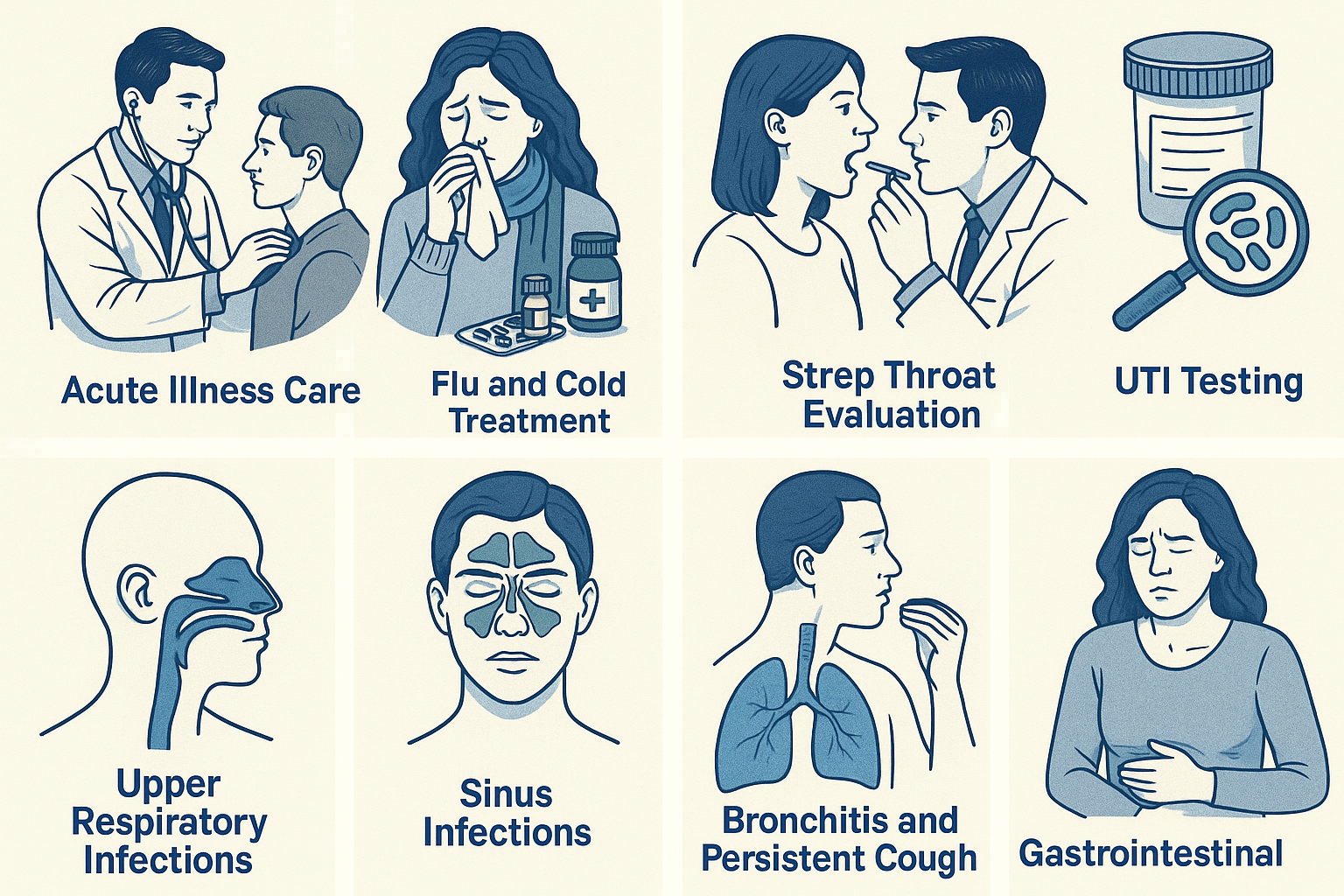
What Is Acute Illness Care?
Acute illness care is focused on sudden onset medical problems that are often short-term but may require immediate medical care. These are generally not chronic or long-term problems that get better with time. However, these conditions can be serious if not seen or treated properly.
Common reasons patients seek acute care include:
Fever, chills, or body aches
Sore throat or difficulty swallowing
Cough, congestion, or breathing discomfort
Ear pain or sinus pressure
Nausea, vomiting, or diarrhea
Painful or frequent urination
Viral infections such as rhinovirus, influenza, adenovirus, coronavirus and Epstein-Barr virus are common causes of acute symptoms like sore throat and fever. In these cases it’s the body’s own immune system’s response (including the overall immune response of interferons, cytokines, and immune cells) to the infection that are thought to cause the symptoms.
At ParangiMD, your visit includes a full medical assessment and not a rushed walk in experience.
Flu and Cold Treatment
Seasonal flu and the common cold are similar in presentation; however, treatments are different. Seasonal influenza is an acute illness caused by infection with influenza viruses and is responsible for predictable outbreaks that occur every year and affect people of all ages.
Transmission of the flu takes place through respiratory droplets. These are the droplets that an infected person emits into the environment when they cough, sneeze, or talk. Virus particles are transported by the droplets to other people where they can be inhaled or can contaminate surfaces. As a result of this the transmission of the flu is highly efficient.
Flu (Influenza)
The flu often causes:
Sudden fever
Body aches
Fatigue
Headache
Dry cough
Muscle pain
We assess symptoms and timing to decide if antiviral treatment is necessary and help prevent complications such as pneumonia. Influenza A virus infections can lead to more severe symptoms particularly in high risk groups. Some flu complications or symptoms can last between one and three weeks while some effects can last up to two weeks after infection. There are also other potential complications like a secondary bacterial infection that can be caused by the flu.
Antiviral drugs or antiviral medications like neuraminidase inhibitors are used to reduce the severity and duration of symptoms particularly if they're started early in the illness. Pregnant women and individuals with a weakened immune system may have an increased risk of becoming severely ill or experiencing complications. Influenza vaccination including seasonal flu vaccines and influenza vaccines is particularly important during this current flu season to help prevent infection and related complications.
Flu Prevention and Vaccines
The best way to protect your health and the health of others is by staying ahead of the flu. Influenza viruses are one of the most contagious upper respiratory infections and they can cause mild to severe symptoms. At ParangiMD, we prioritize flu prevention with tips and education. We offer the annual flu vaccination and share practical tips for preventing the flu during flu season.
How We Help You Stay Protected
Our healthcare providers are committed to helping you avoid the flu and its complications. We strongly recommend the annual flu vaccine as your first line of defense against seasonal flu. The flu shot is designed to protect you from the most common influenza viruses each year, reducing your risk of severe illness, flu complications, and upper respiratory infections. In addition to vaccination, we encourage simple but effective hygiene practices like washing your hands frequently with soap and water or using alcohol-based hand sanitizers to help stop the spread of the flu virus and other respiratory infections. These steps are especially important for individuals with weakened immune systems or those at higher risk for severe symptoms.
Importance of Annual Flu Shots
Yearly vaccinations against the flu are important to protect against potential infections during the year. Influenza viruses often mutate every year meaning the vaccine must be updated annually for maximum effectiveness. Annual flu shots can help to prevent illness and reduce the risk of contracting symptoms such as sore throat, runny/stuffy nose and other respiratory symptoms. Vaccinations also lower the chance of developing complications associated with the flu such as bacterial infections, acute respiratory distress syndrome and other serious illnesses particularly for individuals with chronic bronchitis, chronic illness or underlying health conditions. Protect yourself and the rest of the community by getting a seasonal flu shot every year.
Additional Prevention Tips
To reduce the risk of infection and transmission, it is also important to practice good hygiene and social distancing measures when possible. This includes avoiding close contact with anyone who is sick, covering your mouth and nose when coughing or sneezing and refraining from touching your eyes, nose or mouth with unwashed hands. Stay home when you are sick and avoid sharing food and drinks and disinfect surfaces that are frequently touched on a regular basis. Supporting immune health by getting enough rest, staying hydrated and avoiding stress can also be helpful in keeping the body prepared to fight off viral infections. If symptoms become severe such as difficulty breathing, chest pain or severe inflammation, it is important to seek medical attention. Prevention is a shared responsibility. Together we can help reduce the spread of influenza viruses and protect those who are at risk of more serious complications.
Common Cold
Colds typically involve:
Nasal congestion
Runny nose
Mild sore throat
Cough
The common cold is usually caused by a viral infection, most often rhinoviruses. After exposure to the virus, there is an incubation period of 1 to 3 days before symptoms develop.
Treatment focuses on symptom relief, hydration, and preventing secondary infections.
Upper Respiratory Infections (URIs)
Upper respiratory infections affect the nose, throat, and airways. These infections primarily involve the respiratory tract, which serves as the main site for viral entry and disease progression. While many URIs are viral, some require medical treatment if symptoms worsen or persist.
We help determine:
Viral vs bacterial causes
Whether antibiotics are appropriate
When additional testing is needed
This prevents unnecessary medication and speeds recovery.
Strep Throat and Sore Throat Evaluation
Not every sore throat is strep but untreated strep can lead to complications. Strep throat spreads easily from an infected person to others through respiratory droplets, especially in close-contact environments. Other symptoms that may accompany a sore throat or strep throat include fever, headache, swollen lymph nodes, and rash. Diagnosis often involves a throat swab, strep test, or throat culture to confirm the infection and guide treatment.
We assess for:
Sudden severe throat pain
Fever without cough
Swollen lymph nodes
White patches on the tonsils
When indicated, we provide testing and treatment to relieve symptoms and prevent spread.
Sinus Infections (Sinusitis)
Sinus infections can cause:
Facial pressure
Thick nasal discharge
Headache
Post-nasal drip
Tooth pain
We distinguish between viral sinus congestion and bacterial sinusitis, ensuring antibiotics are used only when truly needed.
Bronchitis and Persistent Cough
Bronchitis often follows a cold or flu and leads to a lingering cough.
Our evaluation focuses on:
Duration of symptoms
Breathing sounds
Risk factors such as asthma or smoking
Ruling out pneumonia
Treatment may include inhalers, cough management, or further testing if symptoms persist.
Ear Infections and Ear Pain
Ear infections aren’t just a childhood issue. Adults can develop:
Middle ear infections
Outer ear infections
Fluid buildup causing pressure and pain
We examine the ear canal and eardrum to determine the cause and provide targeted treatment.
Urinary Tract Infections (UTIs)
UTIs are common and uncomfortable and delaying care can worsen symptoms.
Typical symptoms include:
Burning with urination
Frequent urges to urinate
Lower abdominal discomfort
Cloudy or strong-smelling urine
We diagnose and treat UTIs promptly while considering your medical history and recurrence risk.
Gastrointestinal Illness (Stomach Flu and GI Infections)
GI illnesses can cause:
Nausea and vomiting
Diarrhea
Abdominal pain
Dehydration
We assess severity, hydration status, and warning signs that may require further evaluation. Treatment focuses on symptom control, hydration, and recovery.
When to See a Doctor for Acute Illness
You should seek medical care if you experience:
High or persistent fever
Symptoms lasting more than a few days
Worsening pain or shortness of breath
Dehydration
Recurrent infections
Early evaluation often means faster recovery and fewer complications.
Why Choose ParangiMD for Acute Care?
Same-day appointments when available
Personalized, unrushed visits
Evidence-based treatment
Focus on adult internal medicine
Continuity of care, not just symptom treatment
We don’t treat symptoms in isolation we treat the whole patient.
Schedule an Acute Illness Visit
If you’re feeling sick and need answers now, our office is here to help. Our acute illness care services provide fast, professional evaluation so you can get back to feeling like yourself.
Dr. Parangi is a board certified primary care doctor with offices in Paramus, New Jersey and is conveniently located in Bergen County, NJ. We are accepting new patients and usually have same day and next day appointments available. Call us at (201) 265-7564 or request an appointment online.
Acute Illness Care Resources
Acute Illness Care FAQs
You should see a doctor if symptoms come on suddenly, worsen quickly, or last more than a few days. High fever, shortness of breath, severe pain, dehydration, or recurring infections should always be evaluated by a medical professional.
Yes. While symptoms overlap, the flu usually causes a sudden onset of fever, body aches, and fatigue, while a cold tends to develop gradually with milder symptoms. A medical evaluation helps determine the best treatment and whether antiviral medication is appropriate.
No. Most sore throats are caused by viruses and do not require antibiotics. Strep throat is a bacterial infection and does require treatment, which is why proper evaluation and testing are important before prescribing medication.
Sinus infections are diagnosed based on symptoms, duration, and physical examination. Many sinus infections are viral and improve without antibiotics. Bacterial sinus infections are more likely when symptoms persist, worsen, or include significant facial pain and pressure.
A cough that lasts more than a few weeks, worsens, or is accompanied by fever, shortness of breath, or chest pain should be evaluated. Bronchitis is often viral, but assessment helps rule out pneumonia or other lung conditions.
Yes. Adults can develop ear infections, fluid buildup, or inflammation that causes pain, pressure, or hearing changes. Evaluation helps determine the cause and whether treatment is needed.
UTIs should be treated as soon as symptoms appear. Early treatment helps relieve discomfort and prevents the infection from spreading to the kidneys. Symptoms include burning with urination, frequent urination, and lower abdominal discomfort.
Yes. we offer same day appointments when available for acute illnesses so patients can receive prompt evaluation and treatment without unnecessary delays.
Request Appointment
Copyright ©2026 all rights reserved